
For natural gas processing, MTR supplies state of the art membrane-based systems-Quick to install, simple to operate, and with proven field performance.
MTR supplies a range of membrane technologies for natural gas processing.
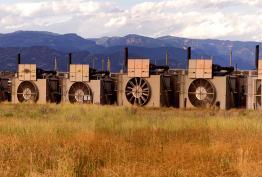
Fuel Gas Conditioning & CO₂/H2S Removal Solutions for gas engines
Conditioning fuel gas using FuelSep™ minimizes costly unscheduled downtime - a smart and simple solution.
Learn More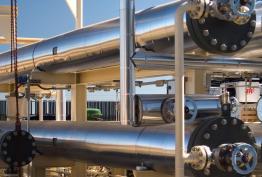
Nitrogen Removal from NG with Membrane Gas Separation
The N2 removal membrane system works very well and is very simple to operate
Learn More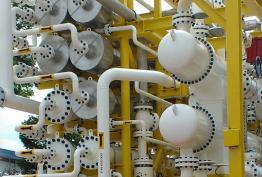
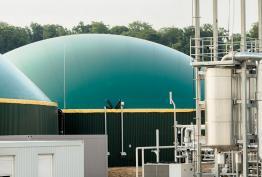
Biogas Separation Technology & CO2 Removal
CO2REMOVAL FROM BIOGAS (LANDFILL AND BIODIGESTERS)
Learn More
H2S Gas Treatment & Natural Gas Purification
Because of their simplicity, SourSep™ units do not need a myriad of redundant components to ensure reliability.
Learn More
LPG Recovery & Extraction Technology
LPG-Sep™ is a winner because membranes easily get the heavies out of the effluent gas at benign conditions — no cryogenics, no absorbents, no hassle.
Learn MoreFrequently Asked Questions
Why is natural gas treatment important?
Natural gas treatment is essential to remove impurities such as CO₂, H₂S, nitrogen, and heavy hydrocarbons so the gas meets pipeline and operational specifications. Untreated gas can reduce heating value, cause corrosion, and lead to operational issues. Proper treatment ensures safe transportation, improved efficiency, and compliance with industry standards.
Can natural gas treatment be customized for different gas compositions?
Yes, natural gas treatment systems can be fully customized based on the composition of the raw gas and project requirements. Membrane-based solutions are particularly flexible and can be tailored to handle varying levels of CO₂, H₂S, nitrogen, and hydrocarbons to achieve optimal performance and meet specific pipeline or processing standards.
Can natural gas treatment help with dehydration?
Yes, natural gas treatment can also assist in removing water vapor from the gas stream. Membrane systems and integrated treatment processes can reduce moisture content along with other contaminants, helping prevent corrosion, hydrate formation, and operational inefficiencies in pipelines and equipment.
What technologies are commonly used in natural gas treatment?
Common technologies include membrane separation, amine treatment, adsorption (PSA), and cryogenic processes. Among these, membrane technology is widely used due to its simplicity, low operating cost, compact design, and ability to remove multiple contaminants in a single step.
How does natural gas treatment improve gas value?
Natural gas treatment increases the value of gas by removing non-combustible and harmful components like CO₂ and nitrogen, which lowers BTU value. By upgrading gas quality to pipeline standards and recovering valuable hydrocarbons, treated gas becomes more marketable and efficient for end-use applications.
What role do membranes play in natural gas treatment?
Membranes play a key role by selectively separating impurities such as CO₂, H₂S, nitrogen, and heavy hydrocarbons from natural gas streams. These systems are quick to install, easy to operate, require minimal maintenance, and provide high efficiency with strong hydrocarbon recovery, making them a reliable and cost-effective solution for modern gas processing.