
MTR is the leading supplier of membrane systems for hydrocarbon recovery from petrochemical plant vents.
MTR supplies a range of membrane technologies for petrochemical processing.
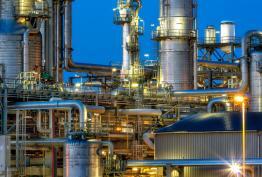
Polyethylene Production with Nitrogen Recovery Unit
MTR is the leading supplier of membrane system for hydrocarbon recovery from petrochemical plant vents.
Learn More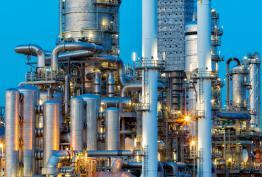
Polypropylene Production & Nitrogen Recovery
MTR is the leading supplier of membrane system for hydrocarbon recovery from petrochemical plant vents.
Learn More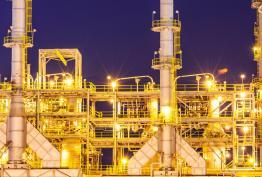
EO and VAM Production & Ethylene Separation
MTR is the leading supplier of membrane system for hydrocarbon recovery from petrochemical plant vents.
Learn More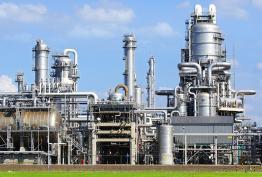
Fuel Gas Recovery with Separation Technologies
MTR is the leading supplier of membrane system for hydrocarbon recovery from petrochemical plant vents.
Learn More
Polyvinyl Chloride (PVC) Production & VCM Recovery
MTR is the leading supplier of membrane system for hydrocarbon recovery from petrochemical plant vents.
Learn MoreFrequently Asked Questions
What is a hydrocarbon recovery system and how does it work?
A hydrocarbon recovery system captures valuable hydrocarbons, such as ethylene, propylene, and other monomers, from industrial vent and purge gas streams that would otherwise be flared or lost to the atmosphere. These systems typically use membrane technology (such as MTR’s VaporSep®) to separate hydrocarbons from light gases like nitrogen and hydrogen based on differences in permeation rates through the membrane. The recovered hydrocarbons are recycled back into the production process, reducing raw material costs and improving plant profitability.
Types of hydrocarbon recovery systems used in the oil & gas industry.
The main types of hydrocarbon recovery systems used in the oil and gas industry include membrane-based separation systems, cryogenic recovery units, absorption-based systems (using lean oil or refrigerated solvents), and pressure swing adsorption (PSA). Membrane systems like MTR’s VaporSep® are increasingly preferred for petrochemical applications because they are compact, have no moving parts, require minimal maintenance, and offer fast payback, typically less than one year.
What problems does a hydrocarbon recovery system solve?
Hydrocarbon recovery systems solve the problem of valuable feedstock being wasted through flaring or venting at petrochemical plants, refineries, and gas processing facilities. In polyethylene production alone, feedstock losses from distillation column overheads, reactor purges, and resin degassing vents can range from $1 million to $3 million per year per plant. These systems recover that lost value while also addressing environmental compliance requirements by reducing volatile organic compound (VOC) emissions and flare loads.
How hydrocarbon recovery helps reduce flaring and emissions?
Hydrocarbon recovery systems directly reduce flaring by capturing hydrocarbons from vent streams and recycling them back into the process instead of burning them at the flare. This significantly lowers CO₂, methane, and other greenhouse gas emissions associated with routine flaring. For example, MTR’s membrane-based VaporSep® systems recover more than 90% of vent hydrocarbons, which drastically cuts the volume of gas sent to the flare and helps operators meet increasingly strict environmental regulations.
What are the main components of a hydrocarbon recovery system?
The main components of a membrane-based hydrocarbon recovery system include a compressor to pressurize the feed gas, a condenser and gas/liquid separator to remove condensable hydrocarbons, membrane modules that selectively separate hydrocarbons from light gases, and associated piping, instrumentation, and controls. MTR’s complete VaporSep® units are skid-mounted for easy installation, handling vent streams from 300 to 30,000 lb/h with hydrocarbon concentrations of 10 to 80 vol%.